
Guelmim Museum (Musée de Guelmim)
Guelmim museum showcasing regional heritage, history, and...
- Admission
- Free admission
- Hours
- Daily 9am-6pm
- Where
- Guelmim, Guelmim-Oued Noun
- Directions
- Directions
The Guelmim Museum, the Musée de la Région de Guelmim-Oued Noun, is a small regional museum in Guelmim, the town in southwestern Morocco that is traditionally called the Gateway to the Sahara. Guelmim lies on the edge of the desert, where the land turns from the foothills of the Anti-Atlas to open stony plains, and it has long been a crossroads for caravans, herders and traders moving between the Atlantic coast, the Souss and the Sahara. The region takes its name from the Oued Noun, the river valley and oasis zone that runs through it, and its identity reflects a mixture of Berber, Arab and Sahrawi communities.
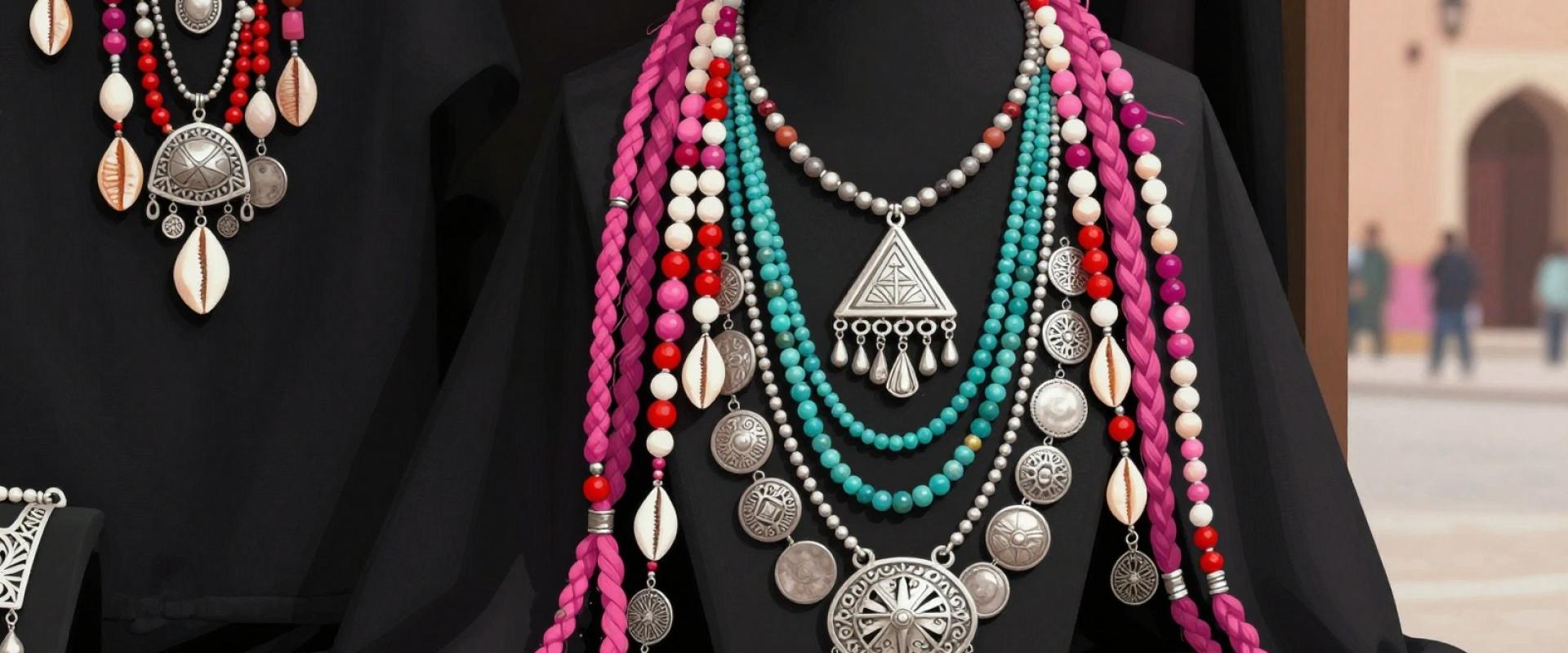
The museum's role is to present that identity in a single place. Regional museums of this kind typically collect objects that illustrate daily life, craft and history, such as traditional costume and jewellery, tents and household utensils, weapons, musical instruments, carpets and photographs, and they often include explanations of nomadic life and the caravan trade. The mix of cultures in the area, including the Tekna confederation and nomadic groups, shows up in clothing, language and song, and a museum can bring these together. Because details of the displays are best confirmed on arrival, visitors should treat the museum as an introduction and ask staff about highlights.
Guelmim itself helps to put the museum in context. The town has long been known for its camel market, which drew herders from across the south and became a regular stop for travellers, though its scale and character have changed in recent years. Nearby oases and gorges, and the Atlantic coast with its long beaches, are within reach, and the town's cultural life includes music festivals that celebrate the region's traditions. Wearing the indigo-dyed robes and turbans known from the Sahara, local men are sometimes called blue men, a reference to the dye that stains the skin, and this image is part of the local identity.
Practical points are simple. The museum is modest in size and a visit takes an hour or less, with a guided tour sometimes available. Check opening times and any ticket arrangement in advance, dress modestly and ask before photographing displays. It makes a good first stop in Guelmim, before visiting markets and the surrounding oases.
For many travellers it is the best introduction to the Moroccan south. The museum suits travellers interested in anthropology, regional history and nomadic cultures, and it is useful for those heading further south toward the Sahara. In a town that many visitors pass through quickly, it offers a chance to slow down and understand the people and the landscape, and the long relationships between desert and coast.
Categories
More photos coming soon
Hours & Fees
- Open
- Daily 9am-6pm
- Admission
- Free admission
Hours and prices change, especially out of season. Check with the venue before you go.
Nearby Attractions
Closest attractions by distance
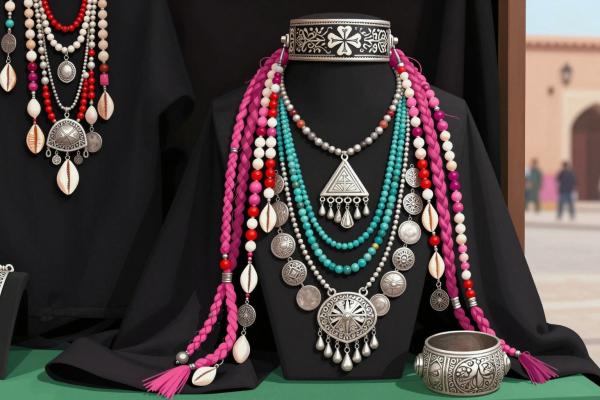
Tiznit Silver Jewellery Souk
Historic Amazigh silver jewelry in Tiznit
Free Historic Towns · Local Crafts
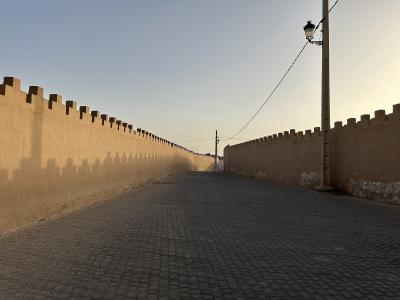
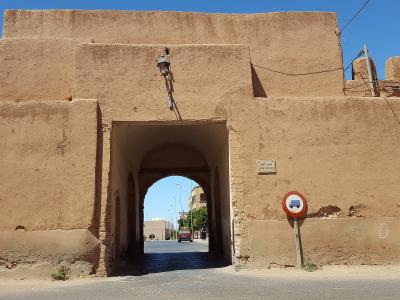
Tiznit Medina Walls
19th-century fortified walls in Tiznit, Morocco
City Walls · Historic Towns
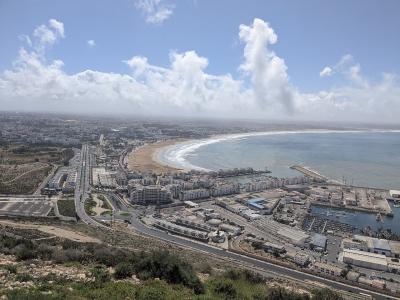
Agadir Beach
10km Atlantic beach with 300 sunny days
Coastal & Maritime · Beaches
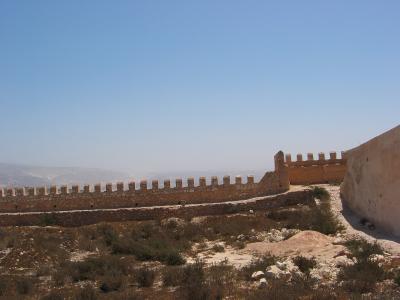
Kasbah of Agadir
16th-century fortress with panoramic city views
History & Heritage · Traditional Culture
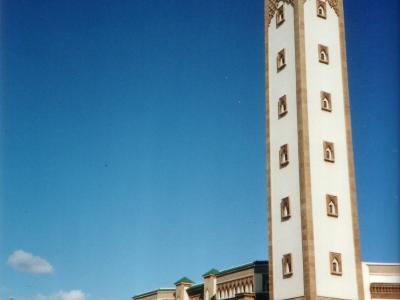
Mosque of Agadir
Largest mosque in Agadir, built in 1960
Architecture · Religious Sites
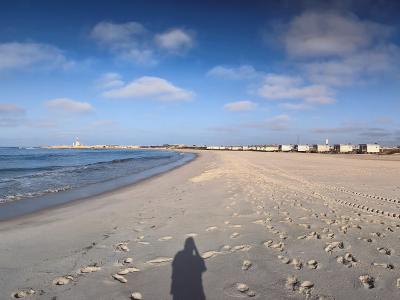
Dakhla Beach
Atlantic bay and kitesurfing hub in Western Sahara
Activities & Adventure · Coastal & Maritime
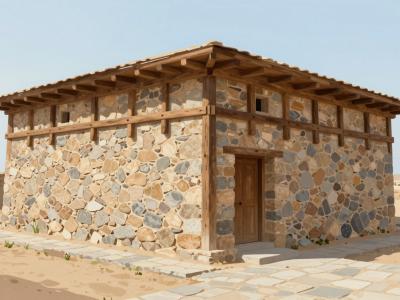
Agadir Museum
Museum dedicated to the 1960 Agadir earthquake
Cultural Experiences · History & Heritage
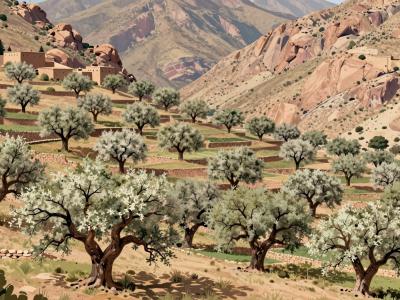
Ancient Almond Groves
Ancient almond groves blooming in February
Activities & Adventure · Cultural Experiences
Questions people ask
Quick Facts
Best Time to Visit
Visit between October and April for moderate temperatures suitable for desert exploration.